Contents
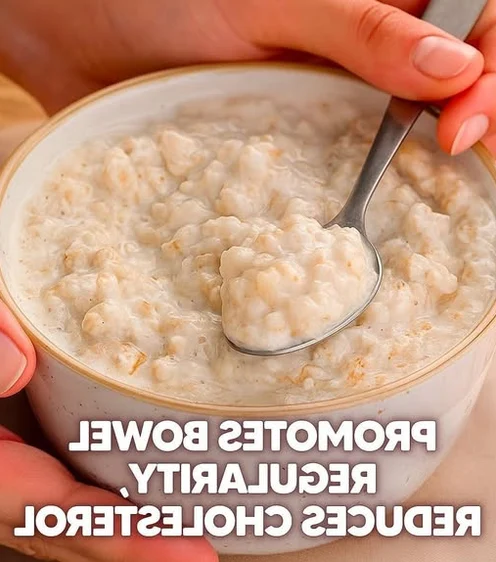
Prep timeare at home. Made with simple ingredients such as oats, milk, water, and a little natural sweetness, porridge is a wonderful way to begin the day with a warm and satisfying meal. It is soft, creamy, easy to customize, and suitable for busy mornings when you want something wholesome without spending too much time in the kitchen. The beauty of porridge lies in its simplicity. You do not need expensive ingredients, complicated
Cook time8–12 minutes
Total timeApproximately 15–17 minutes
Servingssize. Milk adds
Ingredients
Optional Toppings
- Sliced banana
- Fresh strawberries
- Blueberries
- Chopped apple
- Raisins
- Chopped almonds
- Walnuts
- Chia seeds
- Ground flaxseed
- Pumpkin seeds
- Plain yogurt
- A small spoonful of peanut butter
- A little extra milk
- A sprinkle of cinnamon
Advertisement
Instructions
Step 1: Measure the Ingredients
- Begin by measuring one cup of rolled oats, two cups of milk, and one cup of water.
- Accurate measurements help you achieve a predictable texture. If you use too much liquid, the porridge may become thinner than you prefer. If you use too little, the oats may thicken before they become fully tender.
- Place the oats near the stove and prepare any toppings you want to use. If you are adding fresh fruit, wash it thoroughly and cut it into small pieces.
- For banana porridge, slice the banana just before serving. For apple porridge, you can either grate the apple or cut it into small cubes.
- Preparing everything before you begin cooking makes the process easier and helps prevent the oats from sticking while you search for ingredients.
Step 2: Add the Liquid to the Saucepan
- Pour the milk and water into a medium-sized saucepan.
- Place the saucepan over medium heat and allow the liquid to warm gradually. You do not need to bring it to a vigorous boil.
- If you are using dairy milk, stir occasionally to prevent it from forming a skin on the surface or sticking to the bottom of the pan.
- Heating the liquid first helps the oats begin cooking evenly. It also makes it easier to monitor the consistency as the porridge thickens.
- If you prefer a very simple preparation method, you can add the oats and liquid to the saucepan together. Both approaches work well, although gentle heating and regular stirring are important when cooking with milk.
Step 3: Add the Oats
- Once the liquid is warm, add the rolled oats to the saucepan.
- Stir carefully so that all the oats become coated with the liquid. Add a small pinch of salt and the optional cinnamon if you want to include it during cooking.
- Reduce the heat to medium-low.
- The mixture should begin to simmer gently rather than bubble vigorously. Excessive heat can cause the milk to rise quickly, spill over the saucepan, or scorch on the bottom.
- A gentle simmer gives the oats time to absorb the liquid and soften without becoming unevenly cooked.
Step 4: Cook the Oats Slowly
- Allow the oats to cook for approximately 8–12 minutes, stirring regularly.
- During the first few minutes, the mixture may appear quite thin. As the oats absorb the liquid, they will gradually swell and become softer.
- Continue stirring every minute or so, paying particular attention to the bottom and corners of the saucepan. Oats can settle and stick if they are left undisturbed for too long.
- After several minutes, the liquid should begin to thicken. The oats will become tender, and the mixture will develop a creamy consistency.
- If the porridge thickens too quickly, add a small splash of milk or water. Stir well and continue cooking until the oats reach your preferred texture.
- If the porridge remains too thin, allow it to simmer for another minute or two. Remember that it will continue to thicken slightly as it cools.
- Cooking time can vary depending on the brand and thickness of the oats, the saucepan, and the heat level.
Step 5: Check the Texture
- After approximately 8 minutes, taste a small spoonful once it has cooled enough to eat safely.
- The oats should be soft and tender rather than hard or unpleasantly chewy. The mixture should hold together while remaining moist.
- If you prefer a thicker porridge, continue cooking briefly while stirring. For a thinner consistency, add more liquid until the porridge reaches the texture you enjoy.
- Some people prefer porridge that is almost spoonable like a pudding, while others enjoy a looser consistency similar to a thick breakfast soup. Neither style is wrong.
- The most important thing is to cook the oats until they are tender and adjust the liquid gradually.
Step 6: Add Sweetness
- Remove the saucepan from the heat when the oats are cooked.
- If you want a sweet breakfast, stir in a teaspoon of honey or maple syrup. You can also use mashed banana or finely chopped dates to provide sweetness.
- Adding sweetener near the end makes it easier to control the flavor. Start with a small quantity and taste before adding more.
- You may find that ripe bananas, raisins, or other sweet fruits provide enough sweetness without any additional syrup.
- If you prefer savory porridge, skip the sweetener and cinnamon. You can instead add black pepper, chopped herbs, cooked vegetables, or a little grated cheese.
Step 7: Allow the Porridge to Rest
- Let the cooked porridge rest for about one minute before serving.
- During this time, the oats continue absorbing some of the remaining liquid. The mixture may become slightly thicker, and the flavors settle together.
- If it becomes too thick, stir in a little extra milk or water.
- Avoid leaving the porridge uncovered for too long, especially if you prefer a soft and creamy texture. A brief resting period is enough.
Step 8: Serve with Your Favorite Toppings
- Divide the warm porridge between two bowls.
- Add sliced banana, berries, chopped nuts, seeds, or a spoonful of yogurt according to your preference.
- For a simple everyday breakfast, try banana and cinnamon. For a fruitier version, use strawberries and blueberries. If you enjoy a nutty flavor, add a small spoonful of peanut butter and a few chopped walnuts.
- You can also serve the porridge plain with a little milk poured over the top.
- Serve immediately while warm. Allow it to cool to a comfortable eating temperature before enjoying it.
Advertisement
Advertisement