Contents
Buzztim.com – Delicious recipes, kitchen tips, and culinary inspiration for every food lover!
Prep timearing each component separately teaches you fundamental
Ingredients
- 2 cups short grain white rice (uncooked)
- 8 oz beef (ribeye or sirloin, thinly sliced)
- 2 medium carrots (julienned)
- 2 cups fresh spinach
- 1 cup bean sprouts
- 1 medium zucchini (julienned)
- 6 oz shiitake mushrooms (sliced)
- 8 oz asparagus (trimmed and cut into 2-inch pieces)
- 4 large eggs
- 2 tablespoons sesame seeds
- 4 teaspoons sesame oil (divided)
- 3 cloves garlic (minced)
- Salt to taste
- Vegetable oil for cooking
- 3 tablespoons gochujang (Korean red chili paste)
- 1 tablespoon sesame oil
- 1 tablespoon sugar
- 1 tablespoon water
- 1 tablespoon rice vinegar
- 1 teaspoon minced garlic
- 1 teaspoon toasted sesame seeds
- 2 tablespoons soy sauce
- 1 tablespoon sugar
- 1 tablespoon sesame oil
- 2 cloves garlic (minced)
- 1 teaspoon black pepper
Advertisement
Instructions
- Step 1: Cook the rice
- Rinse your rice under cold water until the water runs clear. This removes excess starch and prevents gummy rice. Cook according to package directions or use a rice cooker. Keep it warm while you prepare everything else.
- Step 2: Marinate the beef
- Combine all marinade ingredients in a bowl with your sliced beef. Mix thoroughly with your hands so every piece gets coated. Let it sit for at least 15 minutes while you prep the vegetables. The sugar in the marinade will help create a beautiful caramelized crust when you cook it.
- Step 3: Prepare the gochujang sauce
- Whisk together all sauce ingredients in a small bowl until smooth. Taste it. You want a balance of spicy, sweet, and tangy. Adjust the sugar or vinegar if needed. This sauce is what transforms bibimbap from a simple rice bowl into something magical.
- Step 4: Cook the spinach
- Bring a pot of salted water to boil. Blanch the spinach for about 30 seconds until it wilts and turns bright green. Drain and immediately rinse with cold water to stop the cooking. Squeeze out excess water, then toss with a pinch of salt, half a minced garlic clove, and half a teaspoon of sesame oil. Set aside.
- Step 5: Cook the bean sprouts
- Blanch the bean sprouts in boiling water for 2 minutes. They should still have some crunch. Drain, rinse with cold water, and season with salt and half a teaspoon of sesame oil. Keep them separate from other vegetables.
- Step 6: Sauté the carrots
- Heat a teaspoon of vegetable oil in a skillet over medium high heat. Add the julienned carrots with a pinch of salt. Sauté for 3 to 4 minutes until they soften slightly but still have texture. You want them tender crisp, not mushy. Transfer to a plate.
- Step 7: Sauté the zucchini
- Using the same pan with a fresh teaspoon of oil, cook the zucchini with a pinch of salt for 3 to 4 minutes. Zucchini releases water as it cooks, so keep the heat high enough to evaporate that moisture. You want golden edges, not steamed vegetables.
- Step 8: Sauté the mushrooms
- Add another teaspoon of oil to your pan and cook the sliced mushrooms with a bit of minced garlic. Let them sit undisturbed for a minute or two before stirring. This helps them develop a beautiful brown color. Cook for about 5 minutes total until tender and fragrant.
- Step 9: Sauté the asparagus
- Cook the asparagus pieces in a teaspoon of oil over medium high heat for 4 to 5 minutes. They should be bright green and tender with a slight snap when you bite them. Season with just a touch of salt.
- Step 10: Cook the beef
- Heat a large skillet or wok over high heat with a teaspoon of oil. When it's smoking hot, add your marinated beef in a single layer. Let it sear without moving it for about 2 minutes. Then stir fry for another 2 to 3 minutes until cooked through and caramelized. The high heat creates that irresistible charred flavor. When preparing authentic bibimbap, properly cooked beef with nice browning makes all the difference in the final dish.
- Step 11: Fry the eggs
- In a clean skillet, heat a bit of oil over medium heat. Crack your eggs into the pan and cook them sunny side up. The whites should be set but the yolks need to stay runny. This golden, runny yolk acts as an additional sauce when you mix everything together. I like my edges slightly crispy, which adds another texture to the bowl.
- Step 12: Assemble your bowls
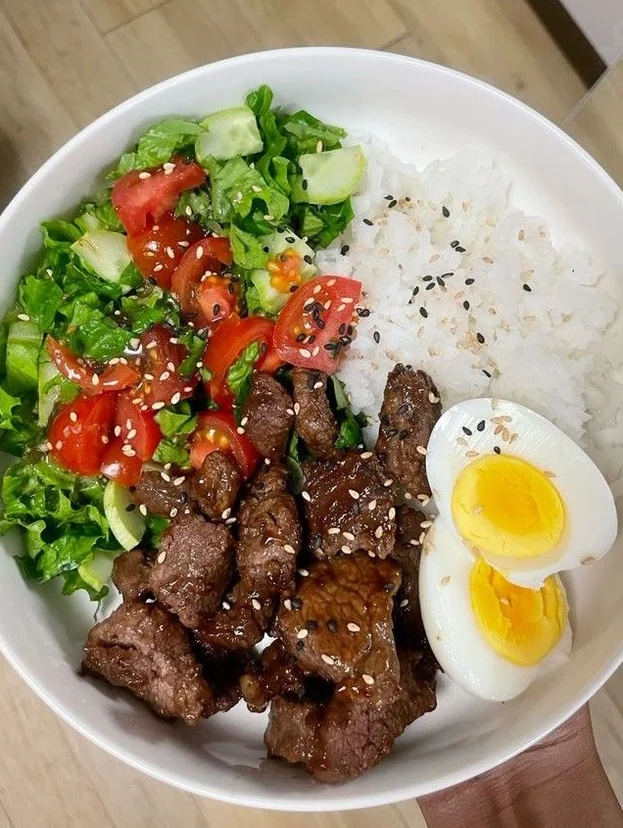
- Divide the warm rice among four bowls. Now comes the fun part. Arrange each vegetable in its own section around the bowl like colorful wheel spokes. Place the beef in one section. This traditional presentation looks stunning and lets each diner see exactly what they're about to enjoy. Top each bowl with a fried egg in the center. Sprinkle sesame seeds over everything. Serve with the gochujang sauce on the side.
- Step 13: Mix and eat
- Before eating, break the yolk and use your spoon to mix everything together thoroughly. Add as much gochujang sauce as you like. The whole point of Korean bibimbap is that harmonious mixing where every bite contains a bit of everything. The runny yolk coats the rice, the vegetables add crunch and freshness, and the beef brings richness.
Advertisement
Nutrition
Calories: ' + d.
Advertisement