Slow cookers are ideal for soups, stews, and shredded meats, but not every ingredient benefits from long, gentle heat. Some foods become unpleasantly soft, separate, or pose food-safety risks if handled incorrectly. This guide lists 11 foods that require special consideration or should be avoided in a slow cooker to ensure the best texture, flavor, and safety.
Equipment
- Slow cooker
Ingredients
- Frozen meat and poultry (thawed before use)
- Delicate fish and seafood (e.g., shrimp, scallops)
- Pasta
- White rice
- Milk and delicate dairy products (e.g., cream, yogurt, soft cheeses)
- Fresh herbs (e.g., basil, cilantro, parsley, dill)
- Delicate vegetables (e.g., spinach, asparagus, zucchini)
- Lean cuts of meat (e.g., chicken breast, pork tenderloin)
- Bacon and foods requiring crisping
- Raw dried beans (properly prepared)
- Large amounts of alcohol (e.g., wine, beer)
Advertisement
Instructions
- Thaw frozen meat and poultry in the refrigerator before placing them in the slow cooker to avoid the temperature danger zone.
- Add delicate fish and seafood toward the end of the cooking process to prevent a rubbery or mushy texture.
- Cook pasta separately and add it to the slow cooker shortly before serving to avoid a starchy, swollen mass.
- Cook white rice separately on the stovetop or in a rice cooker to maintain proper texture, as it can become overly soft and sticky in a slow cooker.
- Add milk, cream, sour cream, yogurt, and soft cheeses near the end of cooking to prevent separation or curdling.
- Use dried herbs during the long cooking process and add fresh herbs at the end to preserve their vibrant flavor and aroma.
- Add delicate vegetables like spinach and asparagus during the final portion of cooking, while adding hardier vegetables like carrots and potatoes earlier.
- Choose tough, collagen-rich cuts of meat for slow cooking; cook lean cuts like chicken breast or pork tenderloin using shorter methods like grilling or sautéing to prevent dryness.
- Cook bacon and other ingredients requiring crispness separately in a skillet or oven, then add them to the dish just before serving.
- Follow tested recipes and proper preparation instructions for raw dried beans, or use canned beans, to ensure food safety.
- Use alcohol in moderation in slow-cooked dishes, as the covered environment limits evaporation; reduce alcohol separately if a concentrated flavor is desired.
Advertisement
Notes
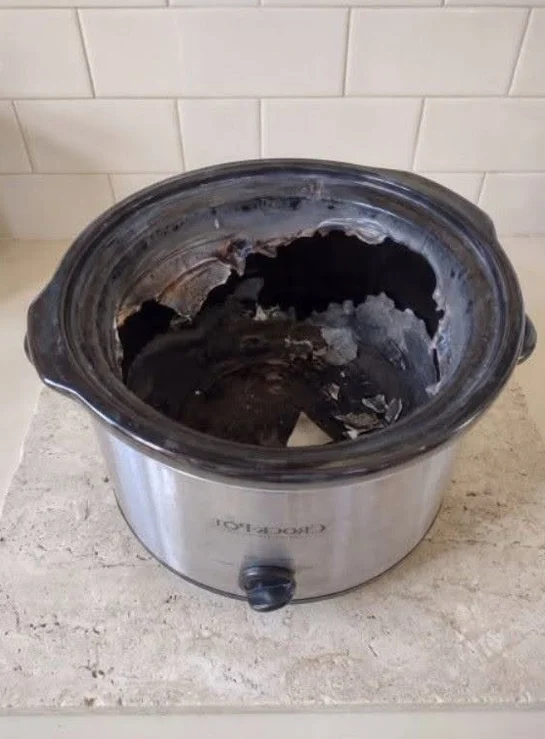
Do not keep lifting the lid, as heat escapes and interrupts cooking. Do not overfill the cooker; follow manufacturer’s guidance for fill levels. Check the slow cooker insert for cracks or chips and replace if damaged. Timing is crucial: add ingredients when they will reach the desired texture, as they do not all cook at the same speed.
Advertisement