Contents
Prep time30 minutes
Equipment
- Stand mixer with dough hook (recommended due to dough richness)
- Mixing bowls
- Loaf pans or baking tray
- Plastic wrap or clean kitchen towel
Ingredients
- 4 cups (500g) all-purpose flour
- ¼ cup (50g) granulated sugar
- 1 teaspoon salt
- 2 ¼ teaspoons (1 packet) active dry yeast
- ¼ cup (60ml) warm milk (about 40°C / 105°F)
- 5 large eggs (room temperature)
- 1 cup (225g) unsalted butter, softened (cut into cubes)
- 1 egg
- 1 tablespoon milk
Advertisement
Instructions
Step 1: Activate the Yeast
- In a small bowl, combine warm milk and yeast. Let it sit for 5–10 minutes until it becomes foamy. This indicates the yeast is active.
- Intensity Level: Low (simple step, but temperature matters—too hot will kill yeast).
Step 2: Mix the Dough
- In a large bowl or stand mixer, combine flour, sugar, and salt. Add the eggs and yeast mixture. Mix on low speed until a sticky dough forms.
- Increase speed to medium and knead for about 8–10 minutes until the dough becomes elastic.
- Intensity Level: Medium (requires attention to texture—dough should pull together but still be soft).
Step 3: Incorporate Butter
- Gradually add the softened butter, a few cubes at a time, while mixing. Allow each addition to fully incorporate before adding more.
- Continue kneading for another 10–15 minutes until the dough is smooth, glossy, and slightly sticky.
- Intensity Level: High (this is the most technical step; patience is key as the dough may look messy before it smooths out).
Step 4: First Rise (Bulk Fermentation)
- Transfer the dough to a lightly greased bowl. Cover with plastic wrap or a damp cloth. Let it rise in a warm place for 1.5 to 2 hours, or until doubled in size.
- Intensity Level: Low (passive time, but environment temperature matters).
Step 5: Chill the Dough
- After the first rise, place the dough in the refrigerator for at least 1 hour. This step makes the dough easier to handle and enhances flavor.
- Intensity Level: Low (resting phase, improves structure).
Step 6: Shape the Dough
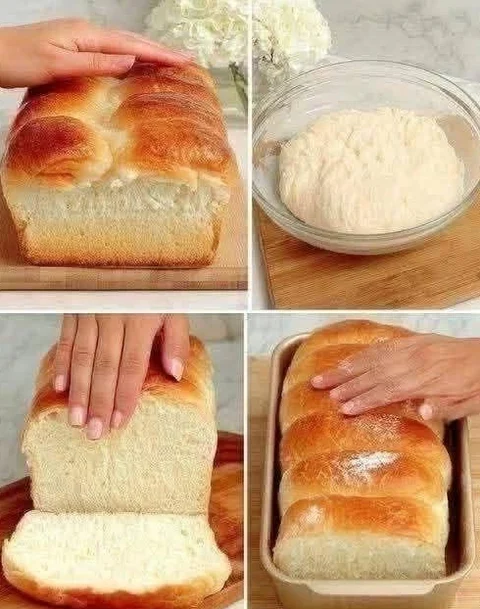
- Remove the chilled dough and divide it into equal portions. Shape into balls or braid into a loaf. Place into greased loaf pans or onto a baking tray.
- Intensity Level: Medium (requires gentle handling to maintain air in the dough).
Step 7: Second Rise (Proofing)
- Cover and let the shaped dough rise again for 1–1.5 hours until puffy and nearly doubled.
- Intensity Level: Low (passive, but timing is important—overproofing can collapse the structure).
Step 8: Apply Egg Wash
- Whisk together the egg and milk, then gently brush over the dough for a shiny, golden finish.
- Intensity Level: Low (simple finishing step).
Step 9: Bake
- Preheat oven to 180°C (350°F). Bake for 25–30 minutes until the top is golden brown and the bread sounds hollow when tapped.
- If browning too quickly, cover loosely with foil halfway through baking.
- Intensity Level: Medium (requires monitoring to avoid over-browning).
Step 10: Cool and Serve
- Remove from oven and let the brioche cool in the pan for 10 minutes, then transfer to a wire rack. Allow to cool completely before slicing.
- Intensity Level: Low (cooling is essential for texture).
Advertisement
Nutrition
Calories: 250–300 kcal · Protein: 6g · Fat: 14g · Carbohydrates: 30g · Saturated Fat: 8g · Sugar: 6g · Sodium: 180mg
Advertisement