Contents
Ingredients
For about 3 cups of pastry cream
- 2 ½ cups (600 ml) whole milk
- ½ cup (100 g) granulated sugar
- ¼ cup (30 g) cornstarch
- 6 large egg yolks
- 2 tablespoons (28 g) unsalted butter
- 2 teaspoons pure vanilla extract
- 1 vanilla bean, optional but highly recommended
- ¼ teaspoon salt
Optional flavor boosters
- 1 teaspoon vanilla bean paste
- Finely grated zest of ½ lemon
- Finely grated zest of ½ orange
- ½ teaspoon almond extract
- 1 tablespoon honey for a softer sweetness
Optional flavor boosters
- Calories: about 230–250 kcal
- Protein: about 5 g
- Carbohydrates: about 30–32 g
- Fat: about 10–11 g
- Sugars: about 23–25 g
- Sodium: about 70–100 mg
Advertisement
Instructions
Step 1: Prepare the vanilla milk
- Pour the milk into a medium saucepan.
- If using a vanilla bean, slice it lengthwise and scrape out the seeds.
- Add:
- Vanilla seeds
- Vanilla pod
- About half of the sugar
- Salt
- Place over medium heat.
- Warm until the milk becomes steaming and small bubbles begin appearing around the edges.
- Do not aggressively boil the milk at this stage.
- Remove from the heat and allow it to sit for about 5–10 minutes.
- This little infusion gives the vanilla time to penetrate the milk.
- In a large bowl, combine:
- Egg yolks
- Remaining sugar
- Cornstarch
- Whisk vigorously.
- The mixture should become smooth, pale and slightly thickened.
- Make sure there are no visible lumps of cornstarch.
- This is one of the most important stages.
- Slowly pour approximately ½ cup of the hot milk into the egg mixture while whisking constantly.
- Do not pour the milk all at once.
- Keep whisking.
- The goal is to gradually raise the temperature of the egg mixture without cooking the yolks.
- This process is called tempering and is essential for preventing scrambled eggs.
- Gradually add more hot milk while continuing to whisk.
- Pour the tempered mixture back into the saucepan.
- Place it over medium heat.
- Now comes the part where patience matters.
- Whisk constantly, especially around the bottom and corners of the pan .
- At first, the mixture will appear thin.
- Then it will suddenly begin to thicken.
- Keep whisking.
- Once the pastry cream becomes thick and large bubbles begin breaking through the surface, continue cooking while whisking for approximately 1 minute .
- This is important.
- Cornstarch needs sufficient heat to fully gelatinize and stabilize the cream. Professional recipes likewise instruct cooks to bring pastry cream to a boil and continue cooking briefly afterward.
- Don’t panic when it suddenly becomes very thick.
- That’s exactly what you want.
- Remove the saucepan from the heat.
- Add the butter a little at a time.
- Whisk until completely incorporated.
- The butter gives the pastry cream:
- Richness
- Gloss
- Smoothness
- A luxurious mouthfeel
- Remove the vanilla bean if you used one.
- Add the vanilla extract or vanilla bean paste.
- Whisk thoroughly.
- Taste carefully.
- If necessary, add a tiny pinch more salt.
- Salt doesn’t make the cream taste salty—it helps balance the sweetness and intensify the vanilla.
- Place a fine-mesh sieve over a clean bowl.
- Pour the hot pastry cream through the sieve.
- Use a spatula to gently push it through.
- This step catches:
- Tiny cooked egg particles
- Vanilla pod pieces
- Cornstarch lumps
- Any accidental bits of cooked custard
- The result is a noticeably smoother pastry cream. Straining is also recommended in several professional-style recipes.
- Immediately cover the surface of the pastry cream with plastic wrap.
- The plastic should touch the actual surface of the cream.
- This prevents air from reaching the surface and forming an unpleasant skin.
- Allow it to cool briefly, then refrigerate.
- Chill for at least 2–4 hours , preferably overnight when convenient.
- When you’re ready to use the pastry cream, remove it from the refrigerator.
- It will be firm.
- Don’t use it immediately.
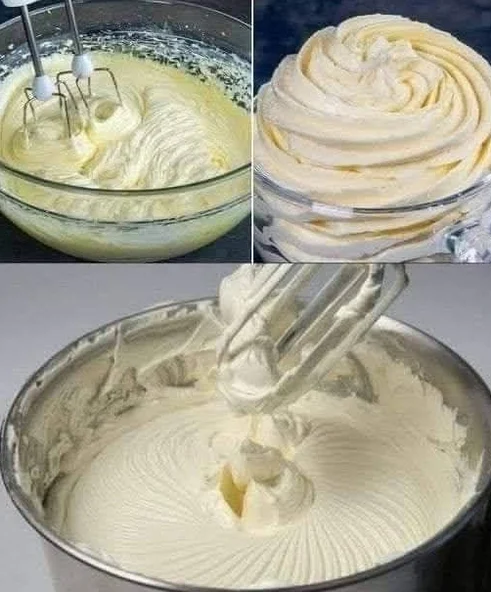
- Whisk it vigorously for approximately 30–60 seconds .
- It will transform from a firm custard into a smooth, glossy, pipeable cream.
- This final whisking step is one of the easiest ways to make homemade pastry cream look much more professional.
- If you’re making pastry cream for a wedding cake, fruit tart, éclairs or professional-looking dessert , use this variation.
- After cooking:
- Remove from the heat.
- Add butter.
- Add vanilla.
- Immediately strain.
- Press plastic wrap onto the surface.
- Chill completely.
- Whisk until silky before piping.
- The cream should be smooth enough to pass easily through a piping bag.
- Want something lighter?
- Transform your pastry cream into crème diplomate .
- After the pastry cream has completely chilled, whisk it until smooth.
- Prepare softly whipped cream separately.
- Fold whipped cream gently into the pastry cream.
- This creates a lighter, airier filling that works beautifully in:
- Cream puffs
- Éclairs
- Layer cakes
- Fruit tarts
- Choux pastries
- King Arthur also recommends folding whipped cream into pastry cream for a lighter filling.
- For a chocolate version, prepare the basic pastry cream.
- Once it is removed from the heat, add approximately:
- 100 g finely chopped dark chocolate
- Whisk until completely melted.
- The result is a rich chocolate crème pâtissière perfect for éclairs and cakes.
- Add:
- Finely grated zest of 1 lemon
- 1–2 teaspoons fresh lemon juice
- For best results, infuse the lemon zest into the warm milk before tempering.
- This creates a bright pastry cream that pairs beautifully with:
- Strawberries
- Blueberries
- Raspberries
- Shortcrust pastry
- Sponge cake
Advertisement
Notes
Keep pastry cream covered in the refrigerator. For best quality, use it within several days; some tested recipes recommend up to 5 days when properly refrigerated. Do not leave it sitting at room temperature for extended periods because it contains milk and eggs.
Nutrition
Calories: about 230–250 kcal · Protein: about 5 g · Fat: about 10–11 g · Carbohydrates: about 30–32 g · Sugar: about 23–25 g · Sodium: about 70–100 mg
Advertisement