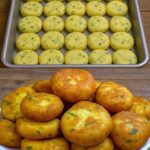
Ramen eggs, or Ajitama, are a cornerstone of any truly satisfying bowl of ramen, and for good reason. These marinated, soft-boiled eggs are more than just an ingredient; they’re an experience. Imagin extracte slicing into that perfectly cooked egg, the yolk a vibrant, molten gold, ready to mingle with the rich broth and savory noodles. That glorious, umami-packed burst of flavor is what makes ramen eggs so utterly addictive. What makes them truly special, though, is the transformative marinade. A simple blend of soy sauce, non-alcoholic mirin, non-alcoholic sake, and often a touch of sugar, it infuses the eggs with layers of deliciousness, turning an ordinary egg into an extraordinary delicacy. Learning to make perfect ramen eggs at home unlocks a new level of ramen appreciation, allowing you to elevate your homemade noodle bowls to restaurant quality. Let’s dive in and discover how to create these culinary gems!
There’s something undeniably magical about a perfectly cooked ramen egg, often called ajitsuke tamago or ajitama. That soft, custardy yolk, infused with a savory-sweet marinade, is the crown jewel of any ramen bowl. While it might seem intimidating, making these yourself is surprisingly straightforward and incredibly rewarding. The process involves a few key steps, from achieving the ideal soft-boiled egg to letting it soak in a flavorful brine. Get ready to elevate your ramen game and impress yourself (and anyone lucky enough to share your bowl!).
Ingredients:
Note on eggs: For the best results, I highly recommend using eggs that are a few days old rather than super fresh. This is because older eggs tend to peel more easily after boiling. If you only have very fresh eggs, you can try adding a splash of vinegar to the boiling water, as suggested, which can sometimes help loosen the shell.
Preparing the Marinade
Before we even think about boiling the eggs, it’s essential to get our marinade ready. This is where all the flavor comes from, and giving it a head start to cool down will be beneficial.
1. In a small saucepan, combine the ½ cup of light sodium soy sauce, ¼ cup of water, ¼ cup of non-non-non-alcoholic alternativeic non-alcoholic mirin, and 2 tablespoons of granulated sugar. Stir these ingredients together well.
2. Place the saucepan over medium heat. Gently heat the mixture, stirring occasionally, until the sugar has completely dissolved. It’s important not to boil the marinade vigorously; a gentle simmer is all that’s needed to ensure the sugar melts and the flavors meld. Once the sugar is dissolved, remove the saucepan from the heat.
3. Allow the marinade to cool completely. You can speed this up by placing the saucepan in an ice bath, or simply let it sit on the counter for at least 30-60 minutes. A fully cooled marinade is crucial because a hot marinade can overcook the eggs and affect their texture, turning them hard instead of perfectly soft-boiled.
Boiling the Eggs to Perfection
Achieving the perfect soft-boiled egg is key to a great ramen egg. We’re aiming for a beautifully jammy yolk that’s not quite runny but not fully set.
4. Gently place the 6 large eggs into a medium saucepan. Cover the eggs with cool water by about an inch. If you’re using very fresh eggs or want to ensure easier peeling, add about 1 teaspoon of vinegar to the water at this stage. The vinegar helps to slightly break down the eggshell, making it easier to remove later.
5. Place the saucepan over medium-high heat and bring the water to a rolling boil. As soon as the water reaches a vigorous boil, immediately turn off the heat. Cover the saucepan tightly with a lid and let the eggs sit in the hot water for exactly 7 minutes. This timing is crucial for that desirable soft-boiled texture. If you prefer a slightly firmer yolk, you can add another minute, but I find 7 minutes to be the sweet spot.
6. While the eggs are resting in the hot water, prepare an ice bath. Fill a large bowl with ice and cold water. This step is non-negotiable for stopping the cooking process immediately.
7. After the 7 minutes are up, carefully transfer the eggs from the hot water directly into the prepared ice bath using a slotted spoon. Let them cool in the ice bath for at least 10-15 minutes. This rapid cooling prevents the eggs from continuing to cook, which would result in a harder yolk. It also helps the egg white to contract slightly from the shell, making peeling much easier.
Marinating and Enjoying
Now for the fun part – infusing those beautiful eggs with all that delicious marinade flavor!
8. Once the eggs are completely cooled and ready for peeling, carefully peel them under cool running water. Gently tap each egg on a hard surface to crack the shell all over, then start peeling from the wider end, where the air pocket usually is. Be as gentle as possible to avoid damagin extractg the delicate egg white.
9. Place the peeled eggs into a resealable plastic bag or a shallow, non-reactive container. Pour the completely cooled marinade over the eggs, ensuring they are fully submerged. If your container isn’t deep enough, you might need to carefully turn the eggs after a few hours to ensure even marination.
10. Seal the bag or cover the container and refrigerate for at least 4 hours, but preferably overnight for the best flavor. The longer they marinate, the deeper the savory-sweet flavor will penetrate.
Once marinated, your ajitsuke tamago are ready to be sliced in half and added to your favorite ramen. The rich, flavorful yolk and the slightly salty, sweet egg white are a testament to the magic of simple ingredients and patient preparation. Enjoy!

Conclusion:
There you have it! Crafting perfect Ramen Eggs, also known as Ajitama, is surprisingly simple and incredibly rewarding. The beauty of this recipe lies in its ability to elevate a humble egg into something truly special. The tender, jammy yolk and savory, marinated white are the perfect textural and flavor contrast, adding a gourmet touch to any dish. Whether you’re a ramen enthusiast looking to perfect your bowl or simply seeking a delicious and versatile ingredient, these Ramen Eggs are a game-changer. I wholeheartedly encourage you to give this recipe a try – you won’t regret it!
These versatile gems are fantastic not only in ramen but also atop rice bowls, in salads, or even enjoyed on their own as a protein-rich snack. Don’t be afraid to experiment with different marinades! A dash of non-alcoholic mirin for sweetness, a sprinkle of togarashi for a bit of heat, or even a splash of sesame oil can create unique flavor profiles. The possibilities are truly endless, and the satisfaction of making your own restaurant-quality Ramen Eggs at home is immense.
Frequently Asked Questions:
Can I make Ramen Eggs ahead of time?
Absolutely! Ramen Eggs are best when they’ve had at least 4-6 hours to marinate, and they can be stored in the refrigerator for up to 3-4 days. This makes them perfect for meal prepping!
What is the best way to peel the eggs?
The key to easy peeling is to use eggs that are a few days old (not super fresh) and to plunge them into an ice bath immediately after boiling. This rapid cooling helps the egg white contract, making it easier to separate from the shell.
Can I use different soy sauce for the marinade?
You can! While traditional soy sauce is common, feel free to experiment with tamari for a gluten-free option or a light soy sauce for a less intense flavor. Just be mindful of the salt content and adjust other seasonings if needed.

Ramen Eggs (Ajitama)
Marinated soft-boiled eggs, perfect for ramen or as a side dish. The marinade infuses the eggs with a savory and slightly sweet flavor.
Ingredients
6 large eggs
½ cup soy sauce (light sodium)
¼ cup water
¼ cup non-alcoholic mirin
2 tablespoons granulated sugar
Instructions
- Step 1
Gently place the eggs in a pot and cover with cold water. Add a splash of vinegar if desired to help prevent cracking. - Step 2
Bring the water to a rolling boil over high heat. Once boiling, reduce heat to medium-low and cook for 6-7 minutes for a soft, jammy yolk. - Step 3
While eggs cook, prepare an ice bath by filling a bowl with ice and water. - Step 4
Immediately transfer the cooked eggs from the boiling water to the ice bath to stop the cooking process. Let them cool for at least 10 minutes. - Step 5
In a bowl or a sealable bag, combine the soy sauce, water, non-alcoholic mirin, and granulated sugar. Stir until the sugar is dissolved. - Step 6
Carefully peel the cooled eggs. Place the peeled eggs into the marinade, ensuring they are fully submerged. Marinate in the refrigerator for at least 4 hours, or preferably overnight, turning occasionally.
Important Information
Nutrition Facts (Per Serving)
It is important to consider this information as approximate and not to use it as definitive health advice.
Allergy Information
Please check ingredients for potential allergens and consult a health professional if in doubt.